
Wolf Country: Echoes of Divide
a documentary project in development
As 25 Americans who represent every side of the national wolf conflict gather, deep divisions surface and unlikely connections begin to form.
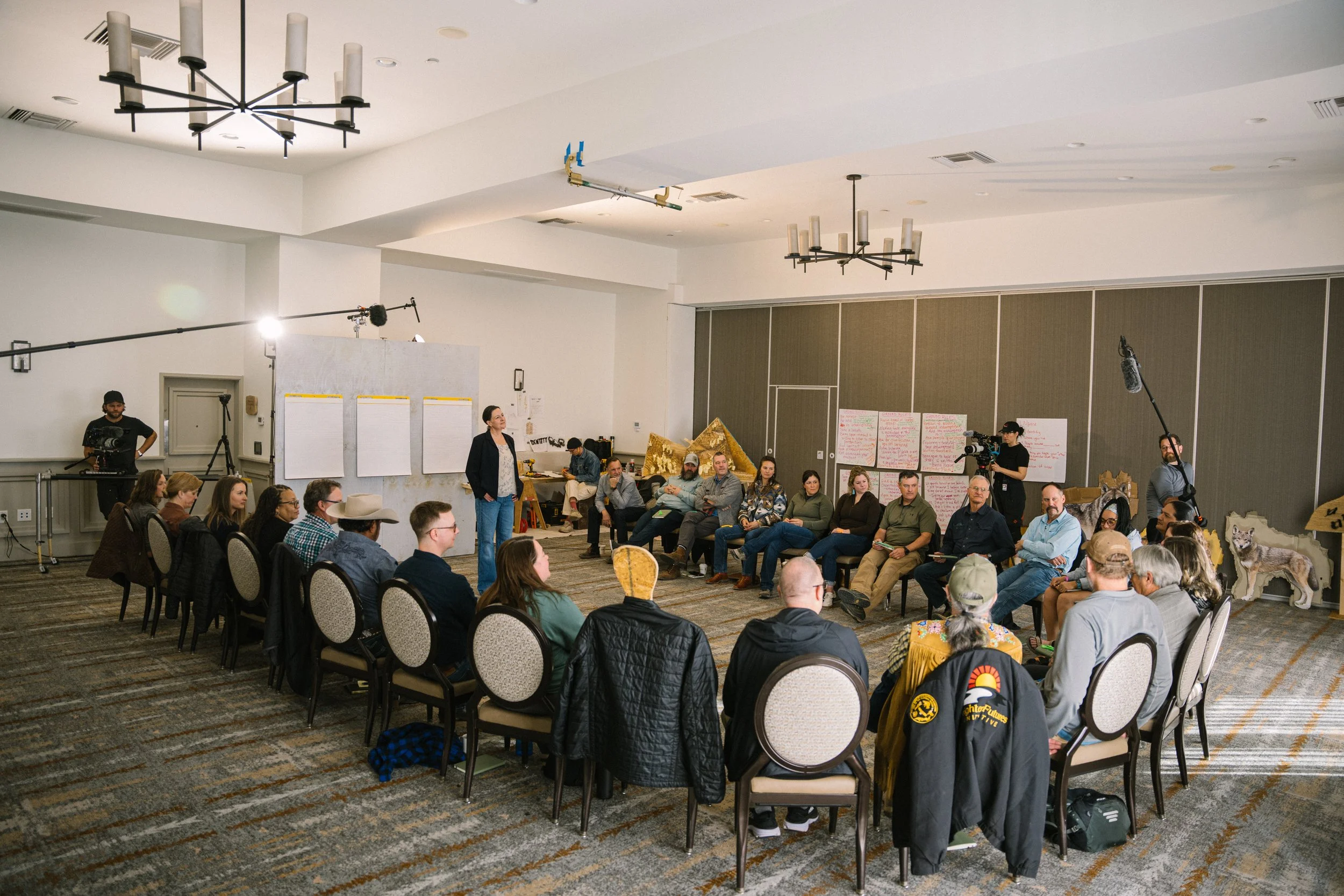
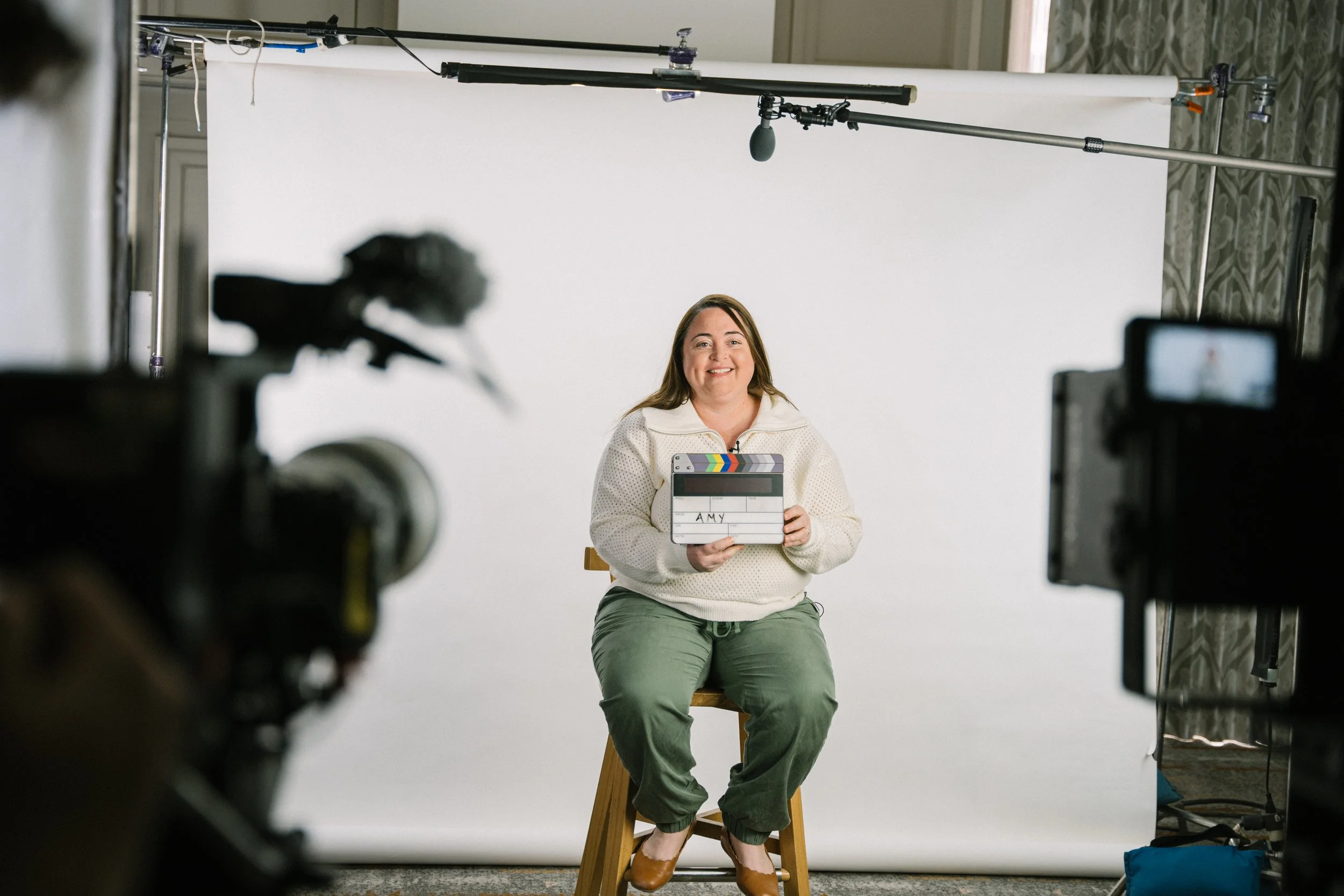
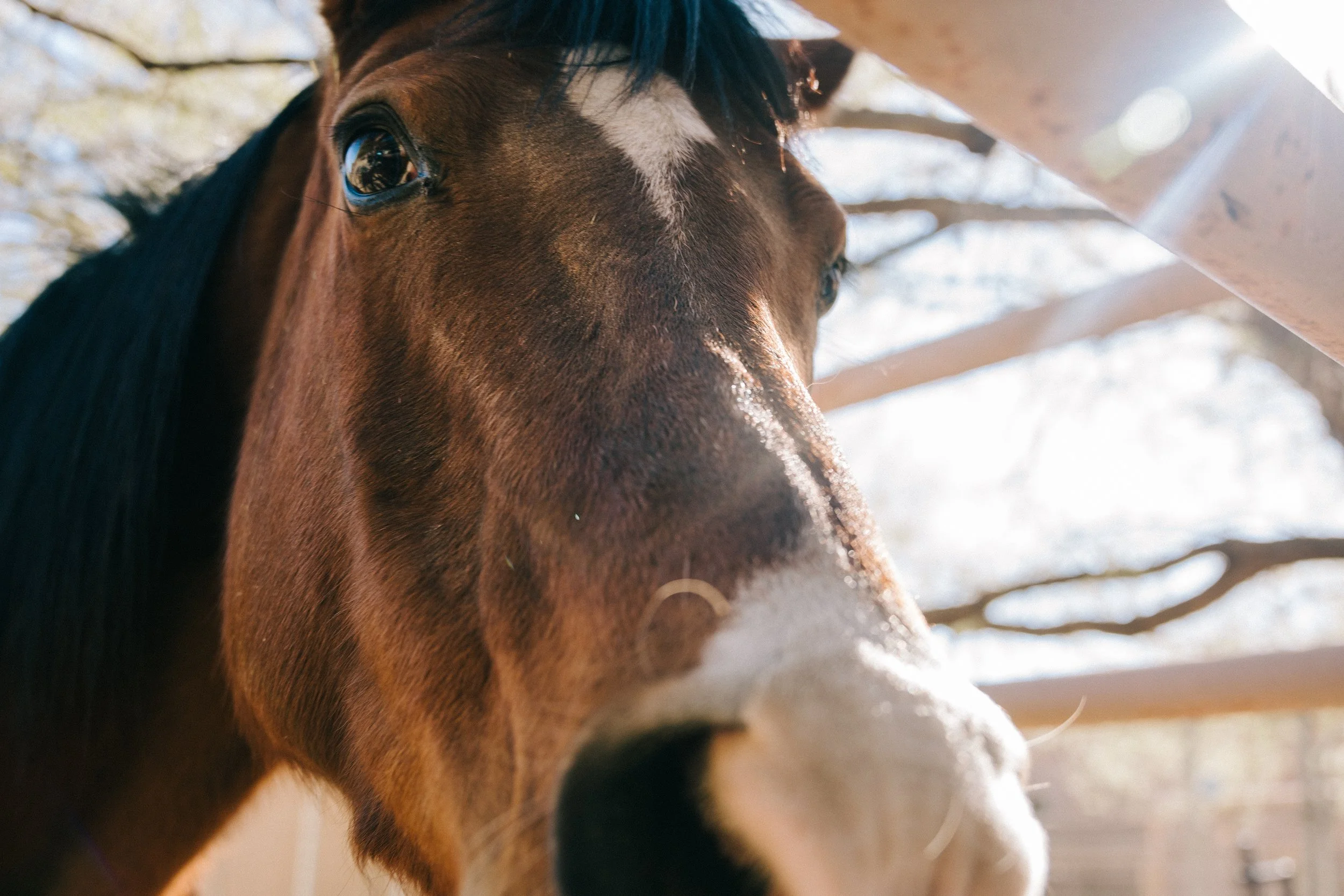
This documentary project follows the National Wolf Conversation (NWC), a groundbreaking January 2025 gathering in which 25 Americans from across the wolf conflict spectrum came together to listen, share their values, and search for common ground in one of the most emotionally charged wildlife debates in the United States. What is at stake is not only how we manage wolves, but how people choose to live together. Wolf Country: Echoes of Divide is an ongoing documentary project following these relationships.
The 175 hours captured on film during this three-day dialogue form the emotional backbone of the film. The footage is thick with tension and vulnerability. People who had previously encountered one another only through policy, media, or protest began to see each other as fully human, shaped by place, pressure, and lived experience. That fragile shift toward relationship becomes the foundation for what follows.
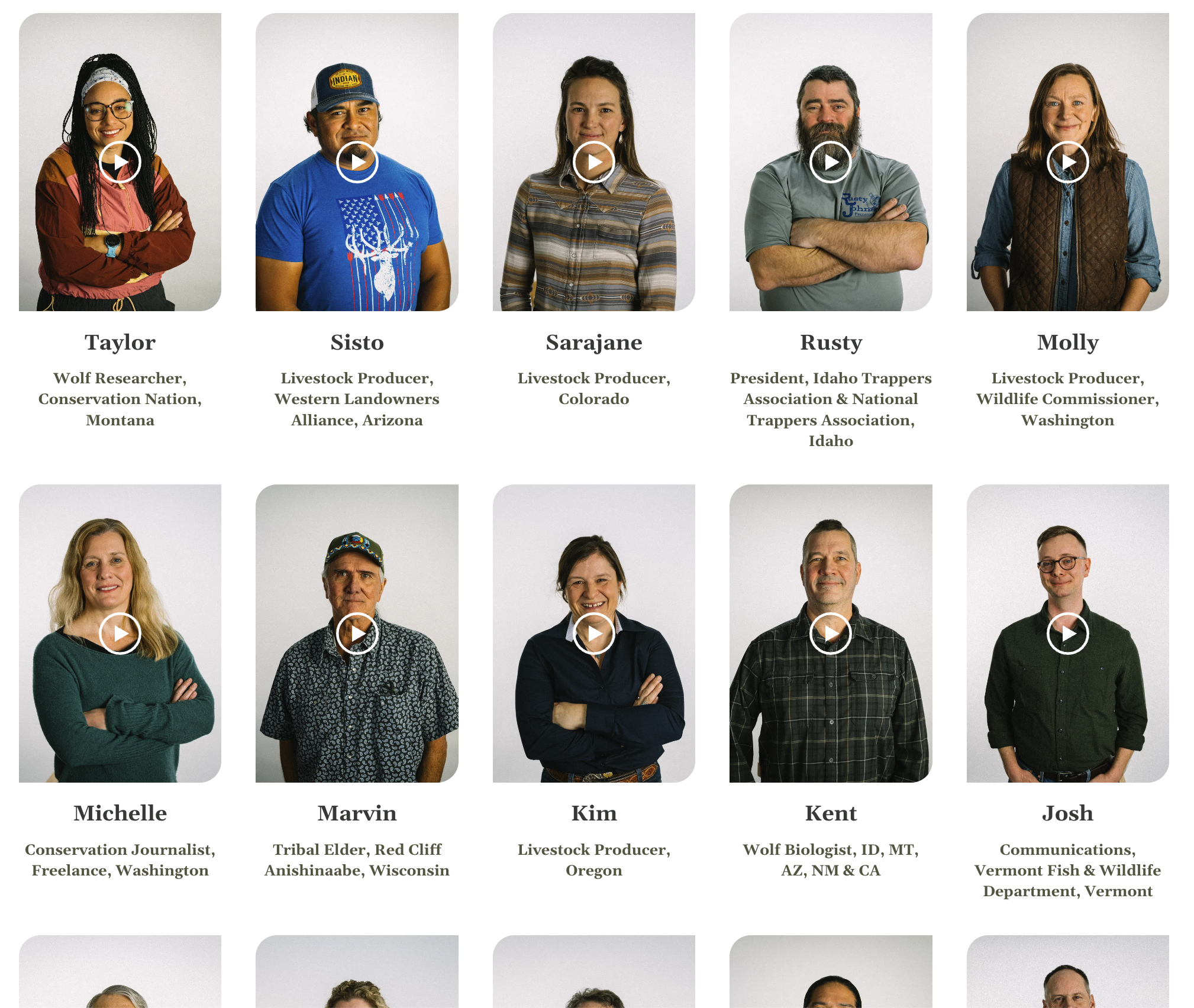
Many participants arrived at the NWC unsure whether they would stay. One reflected, “We were ready to walk away if we did not trust the filmmaker. But then we met Jared, and we trusted him. Now look at all that has been accomplished.” Another participant, a Colorado rancher who opened the week describing herself as “pitchfork-against-the-government” over wolf reintroduction, left with a softened perspective, saying, “Maybe the wolf can bring us together.”
What We Have So Far
As a result for filming at the National Wolf Convention, this 30-minute documentary was crafted to illustrate the transformative gathering: Watch it here or visit the WOLFCONVERSATION.COM website to read more about the project.
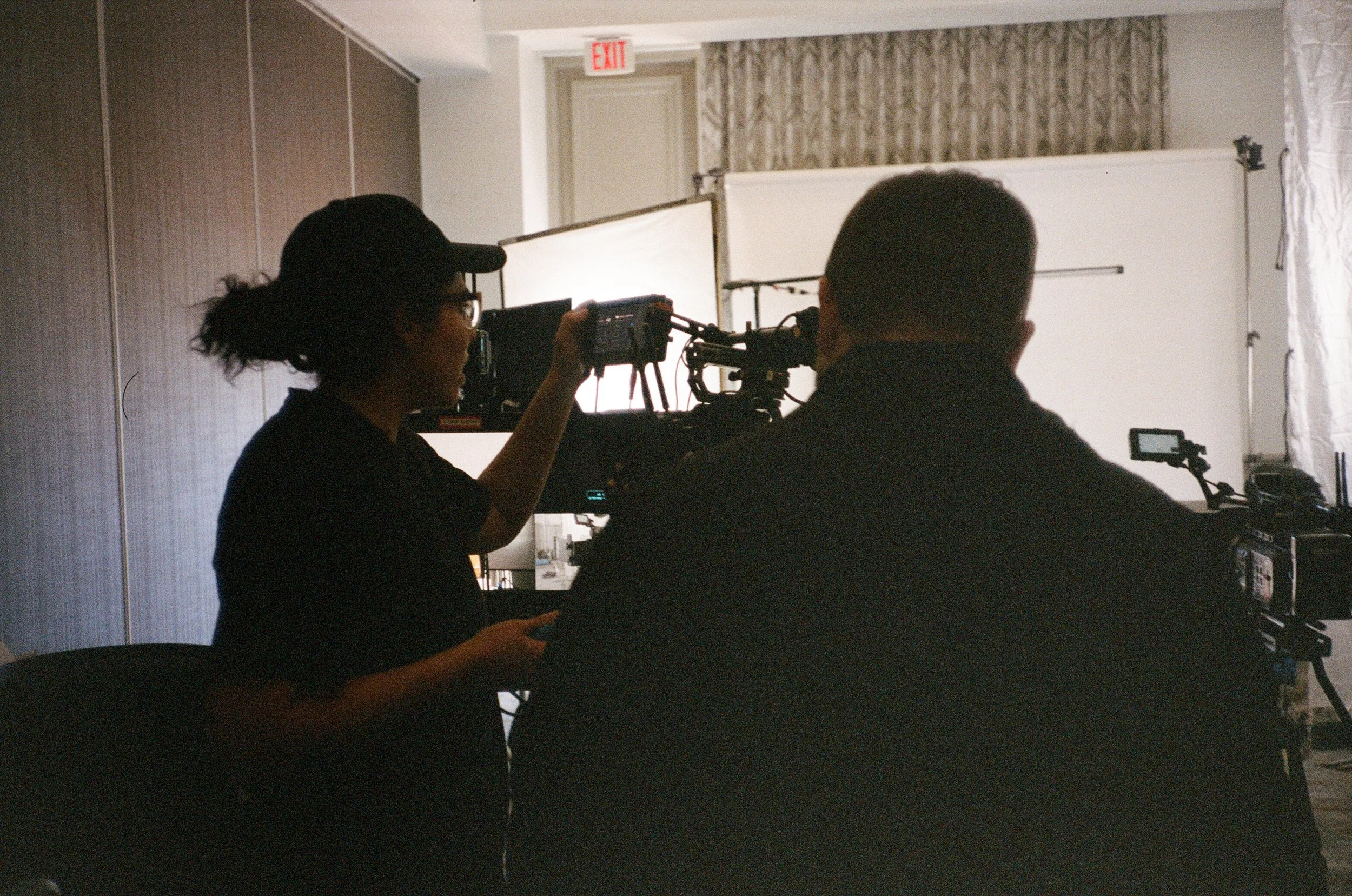
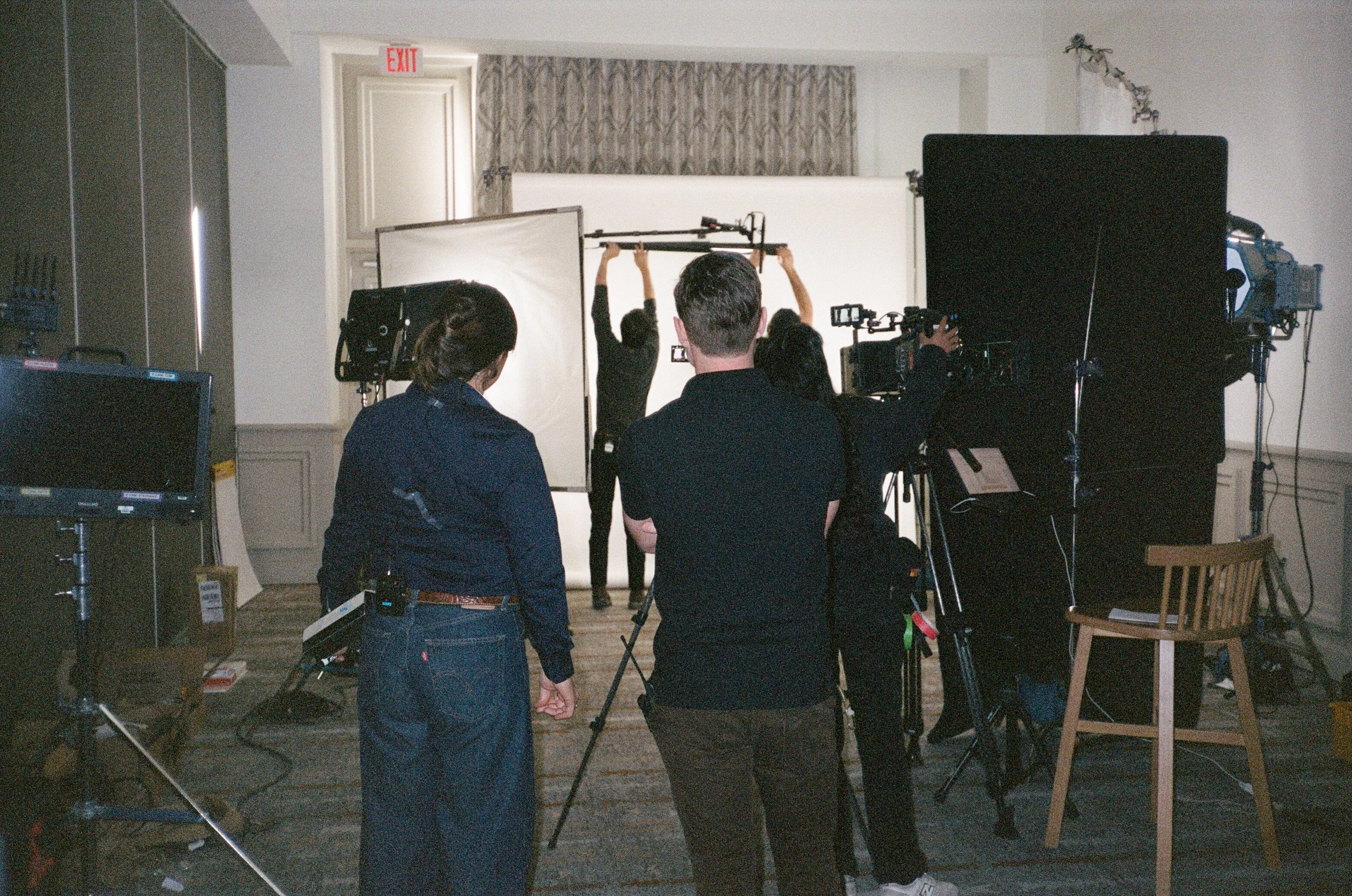
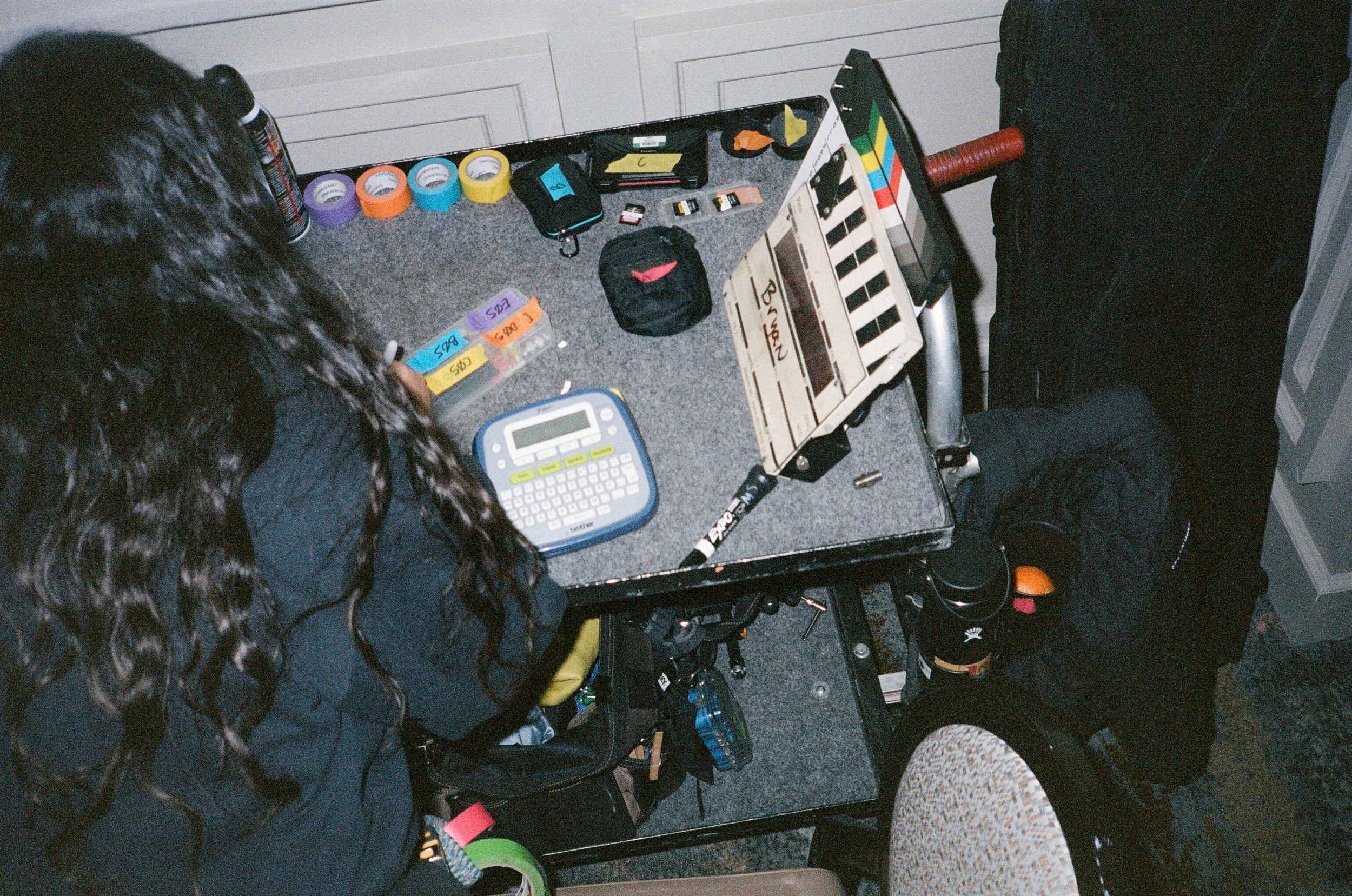
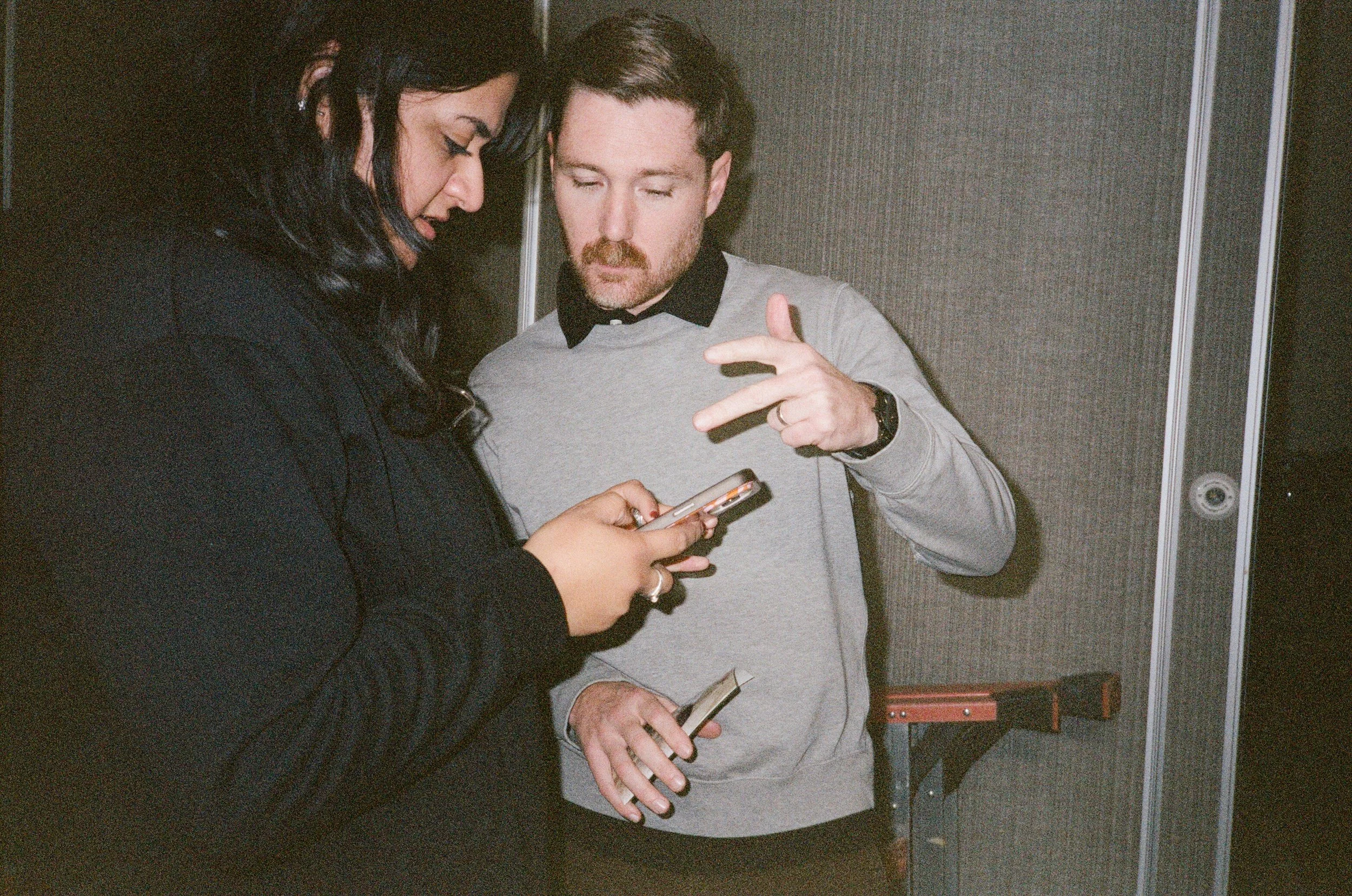
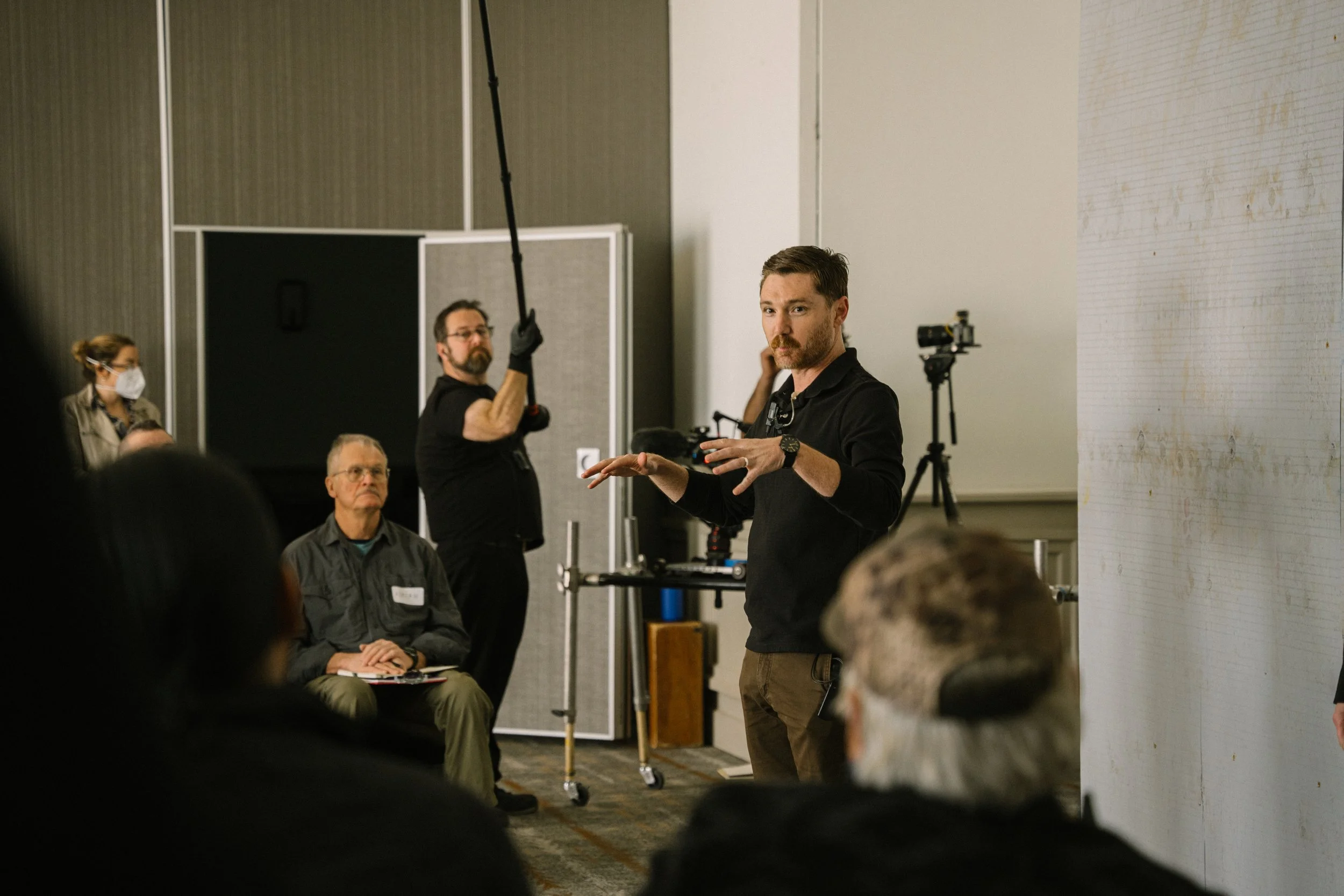
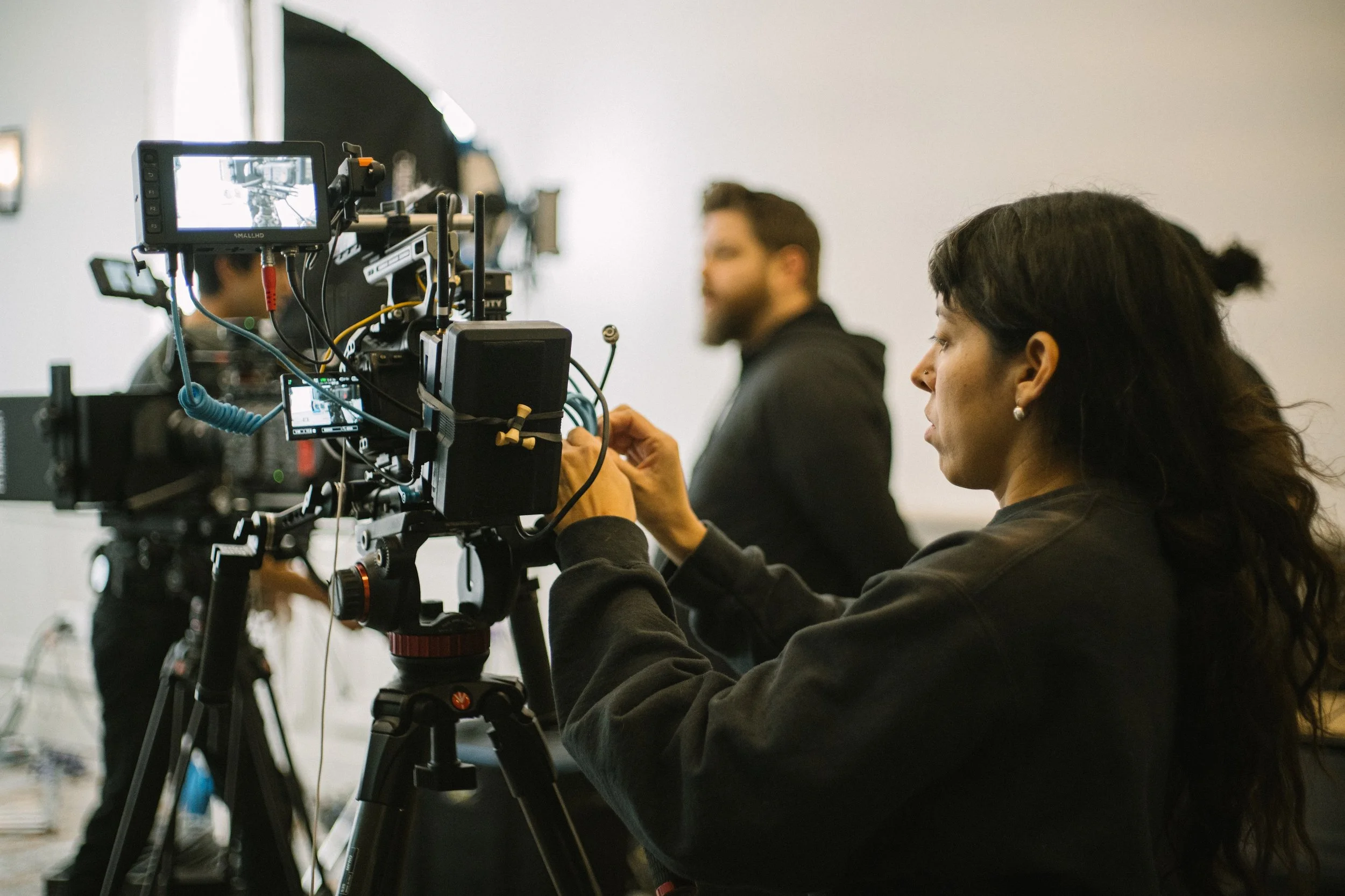
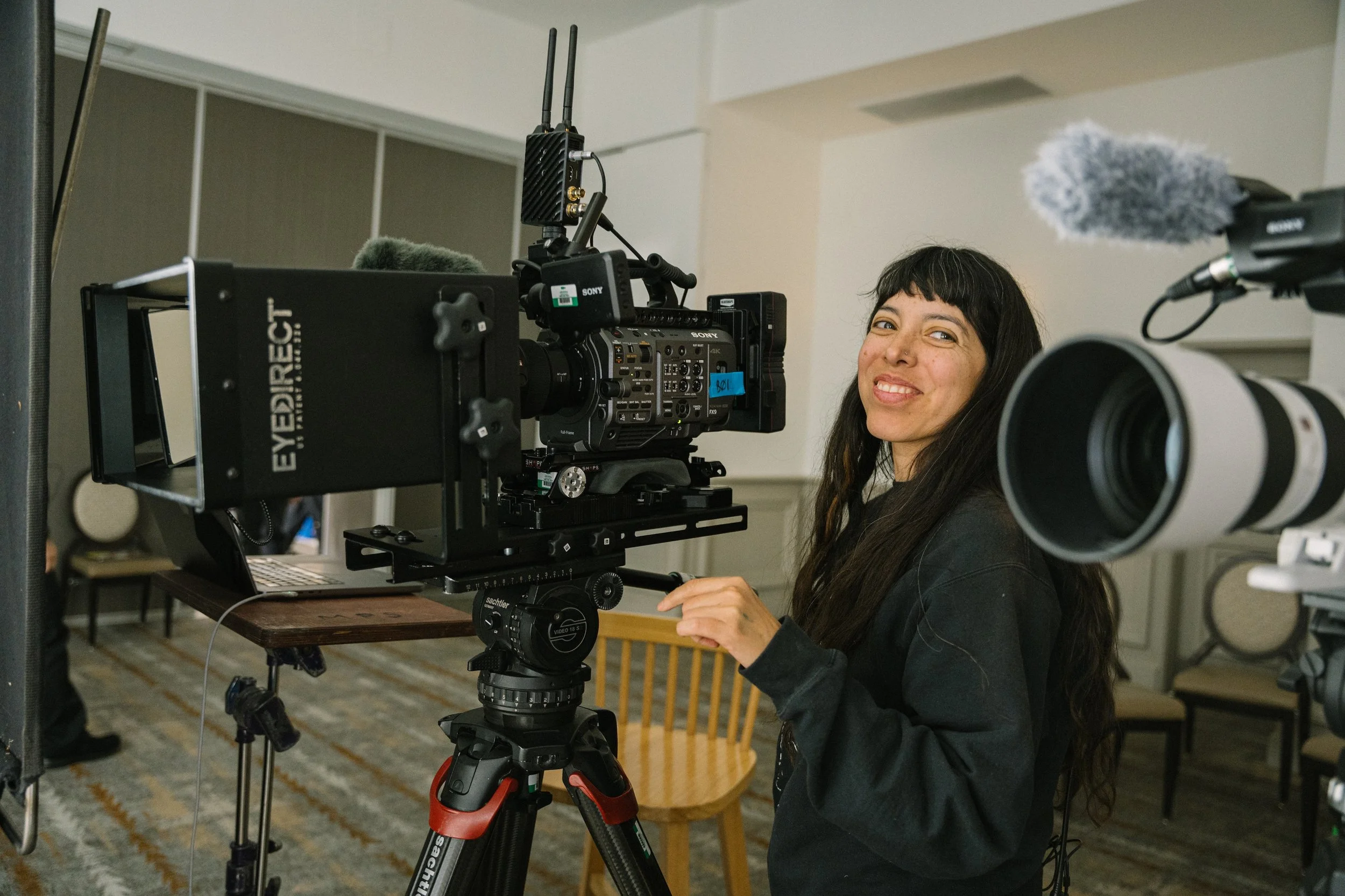
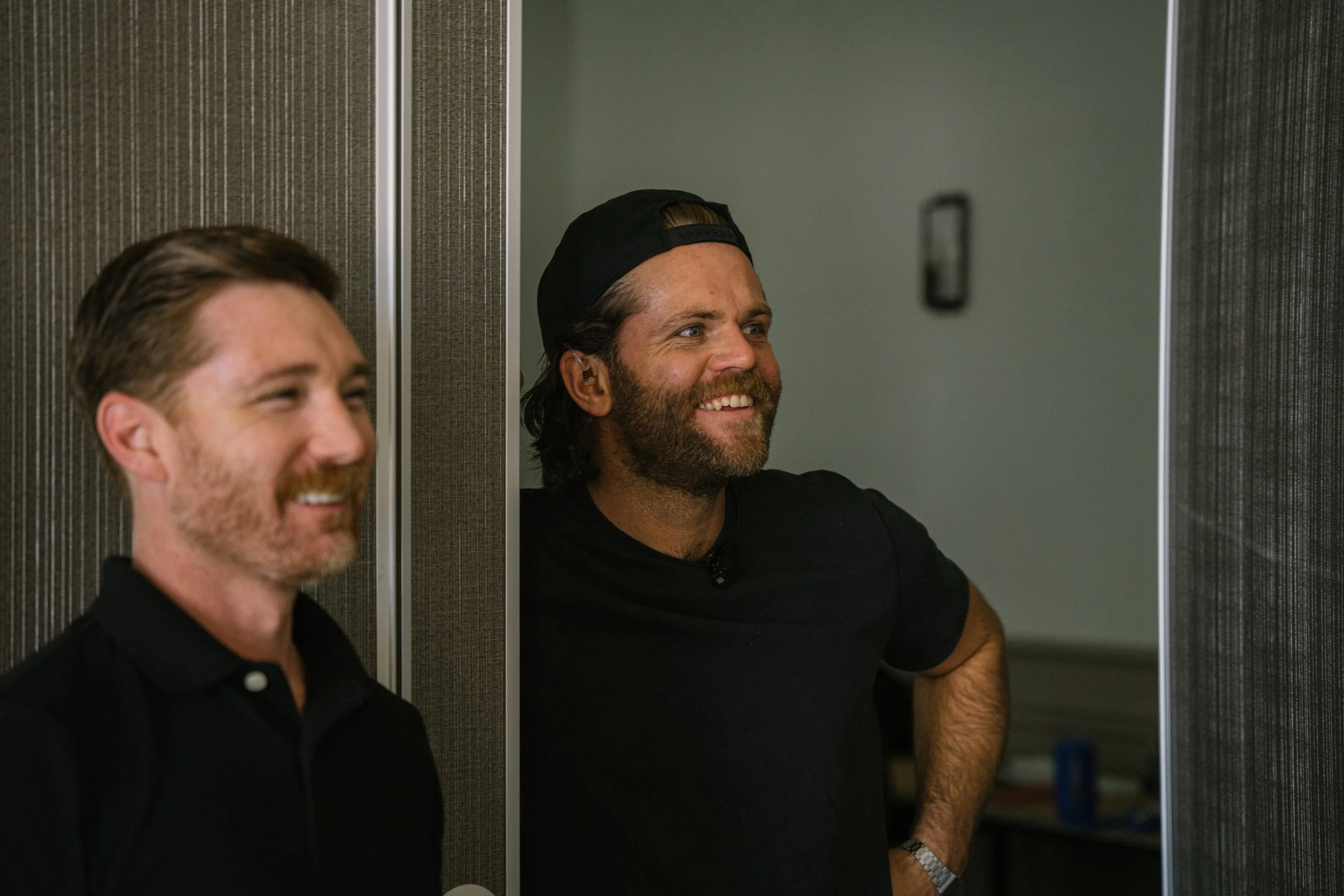
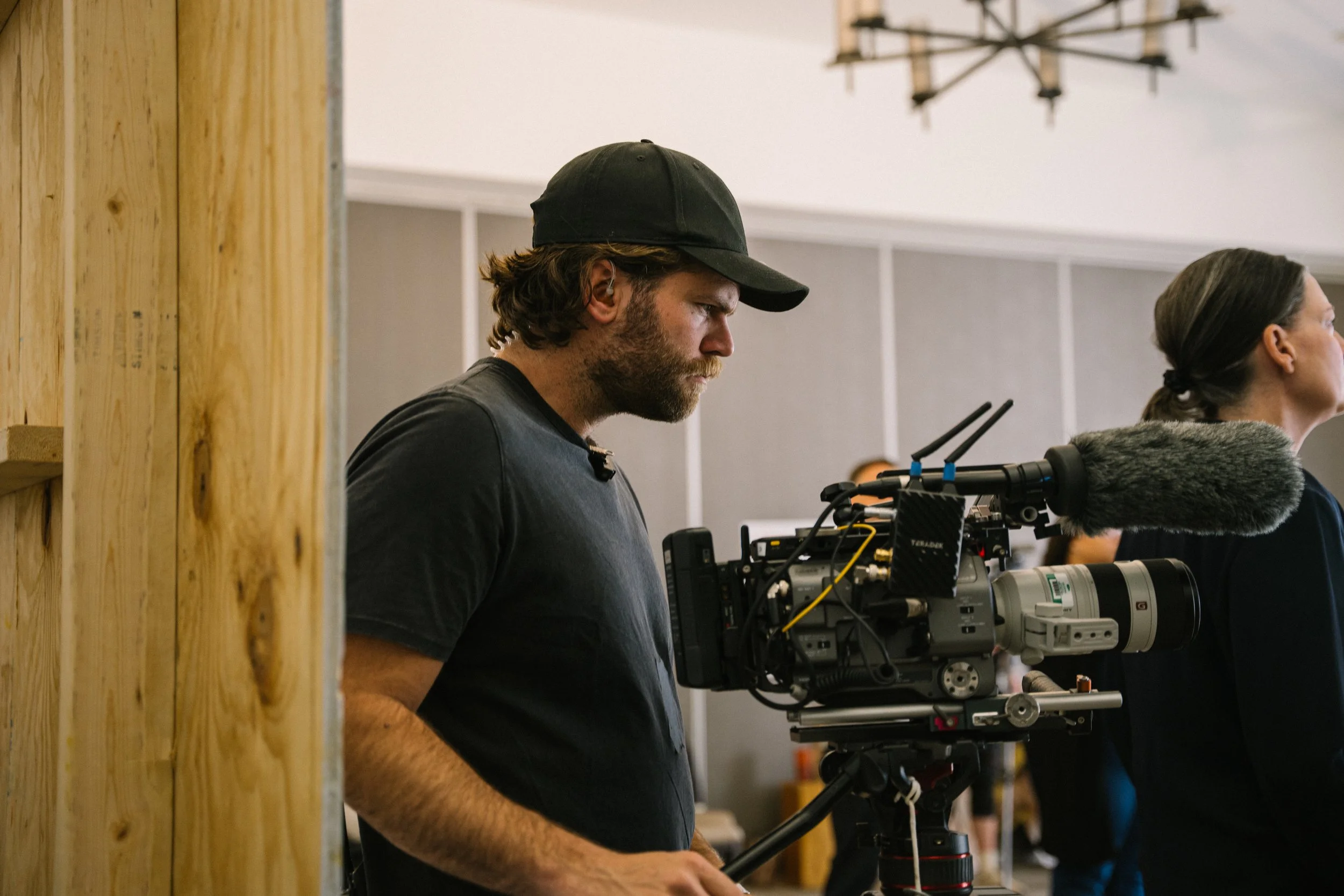
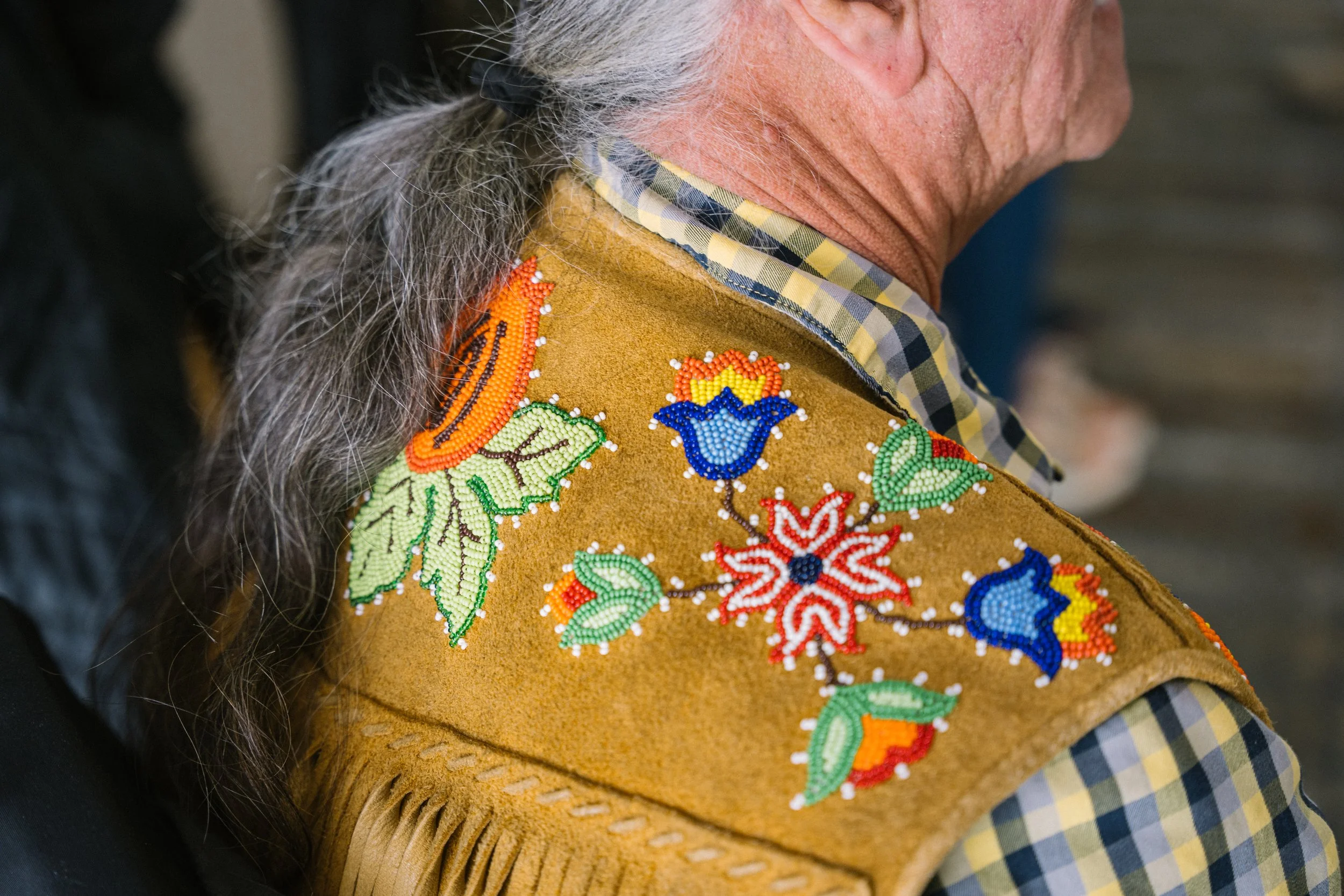
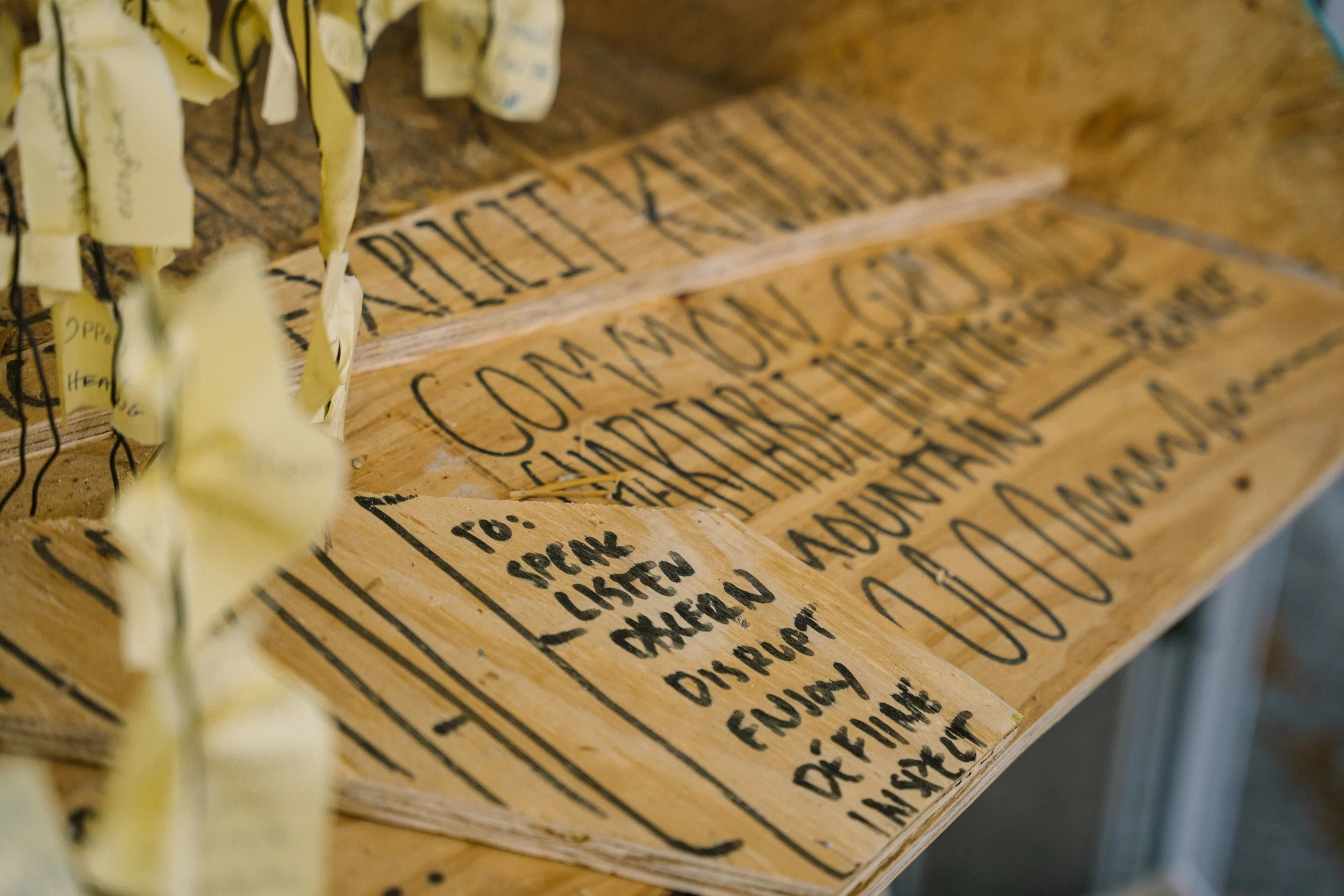
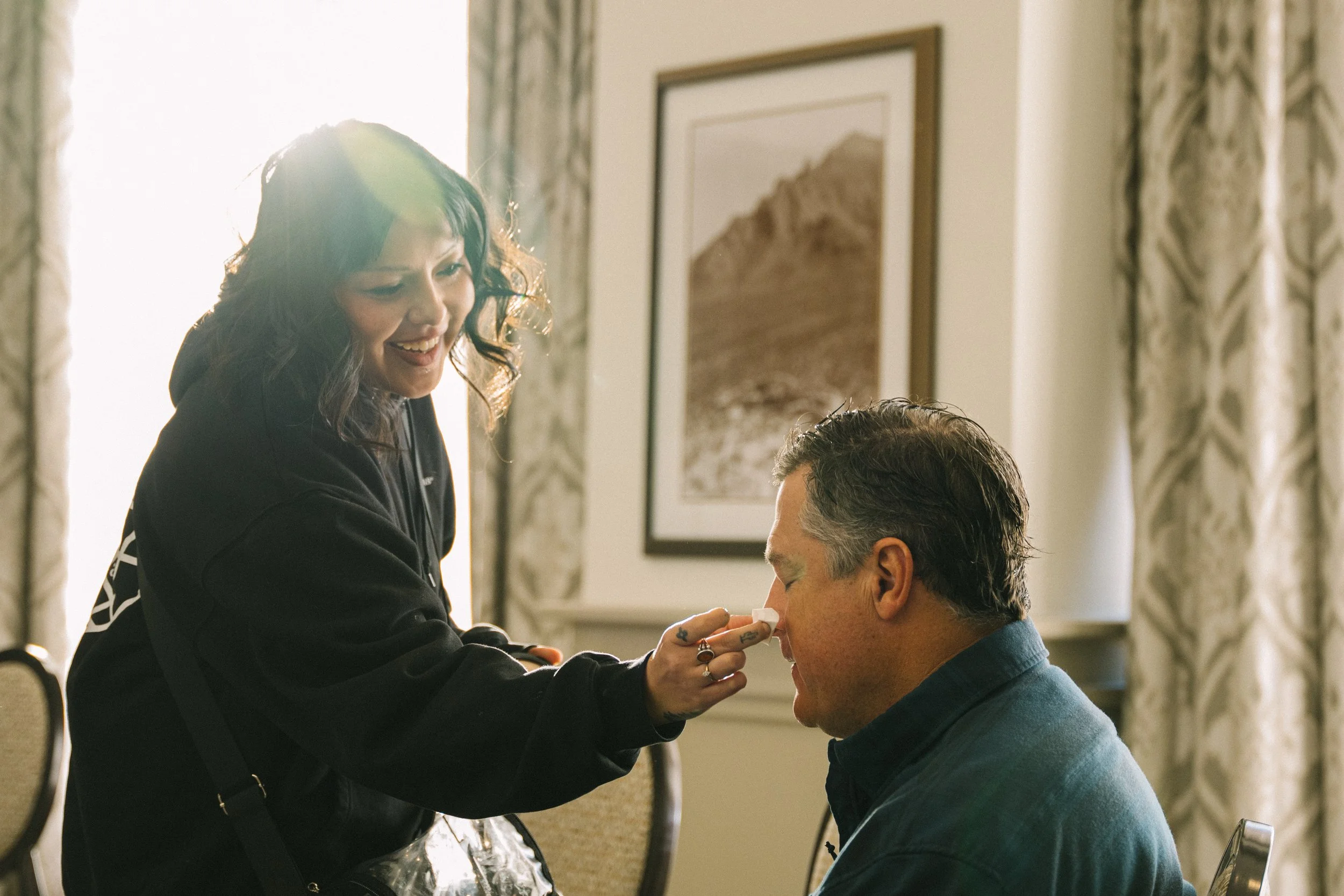
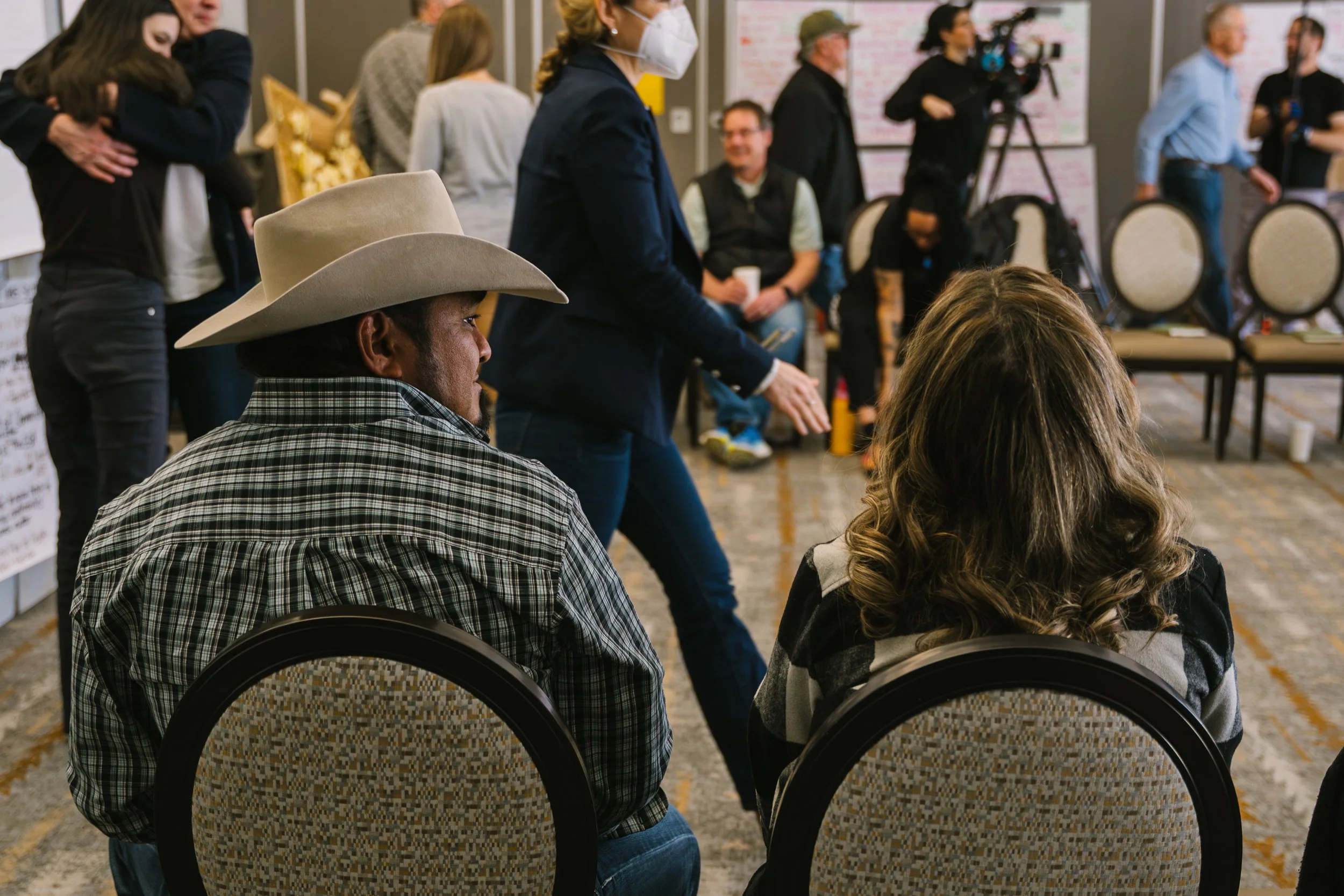
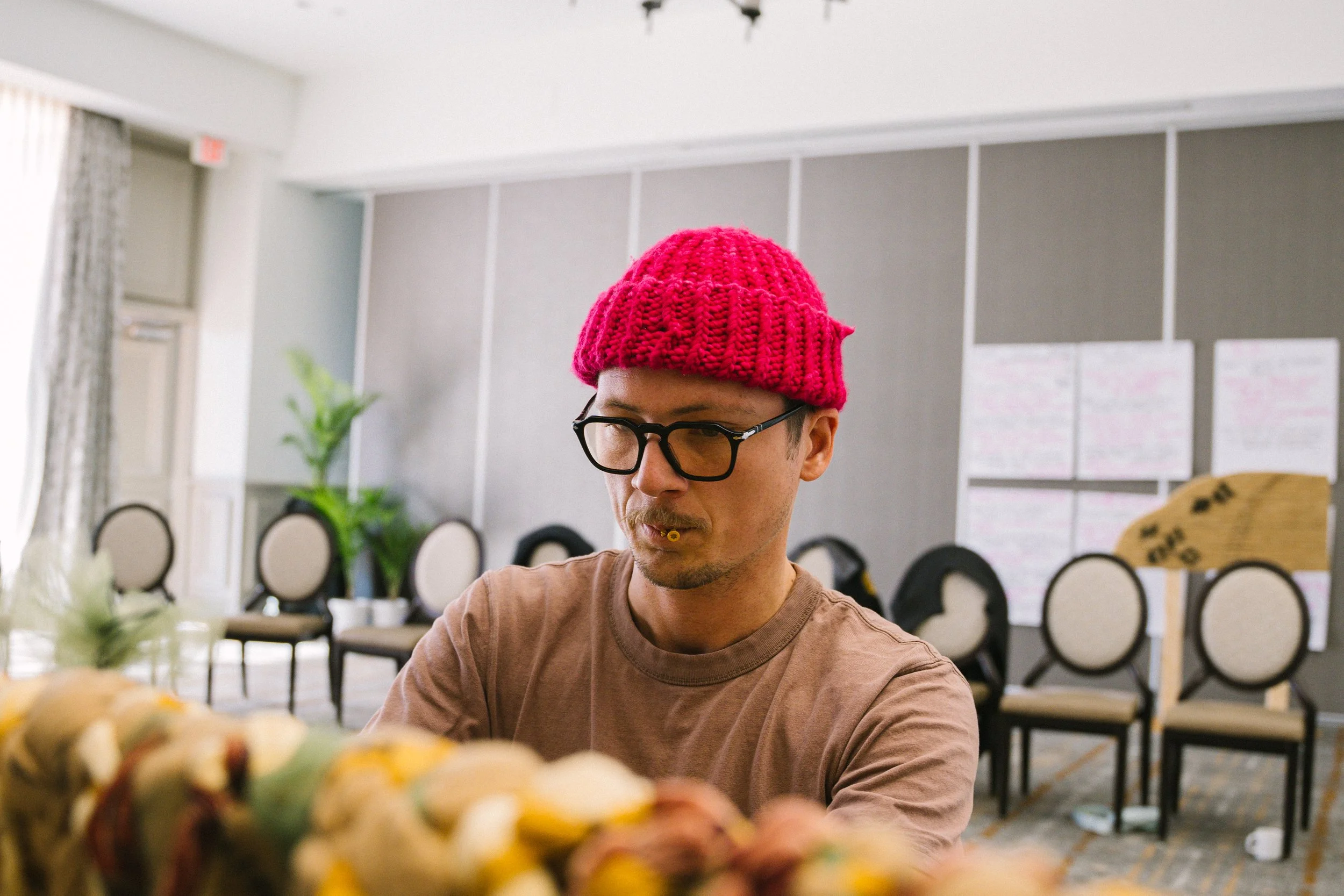
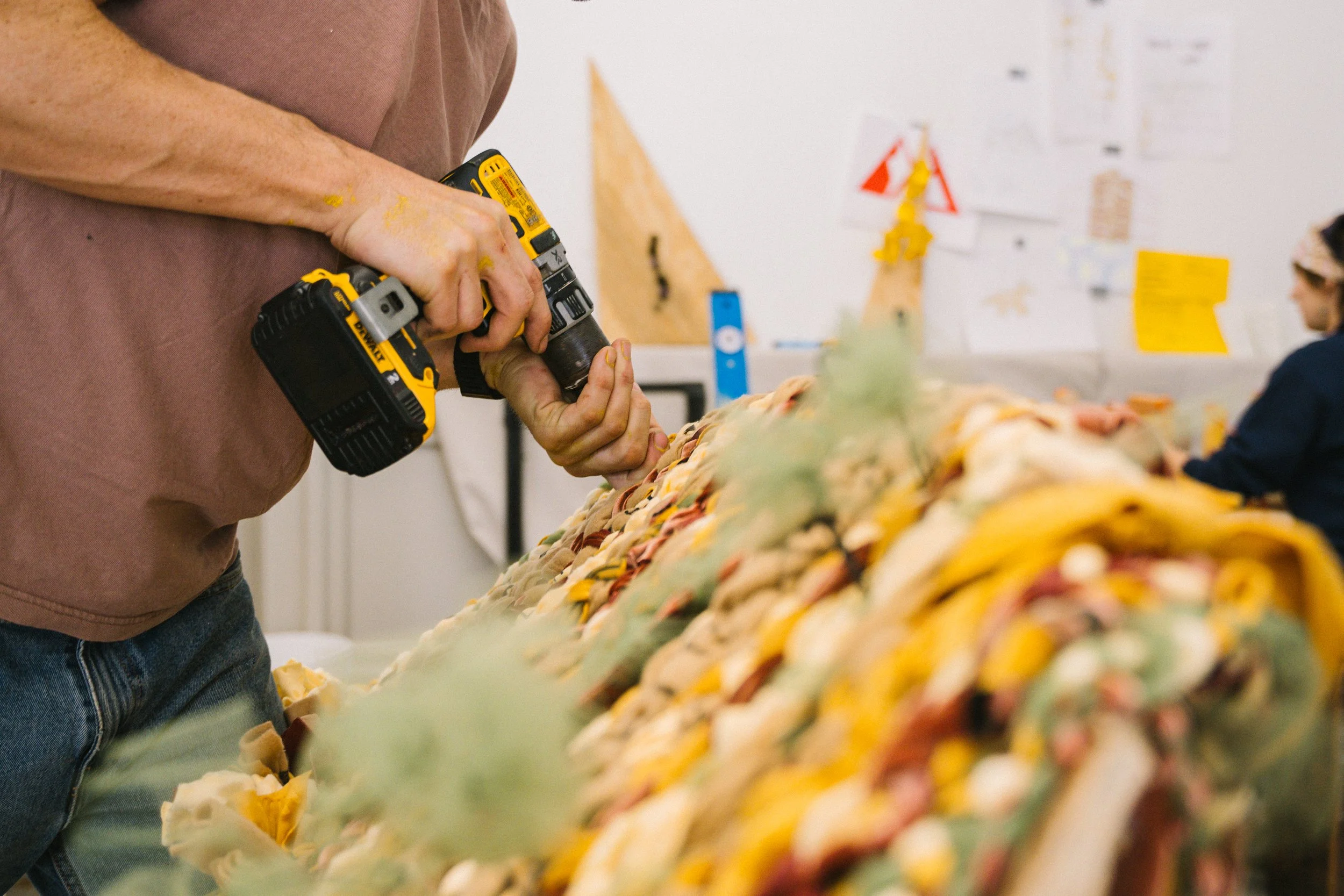
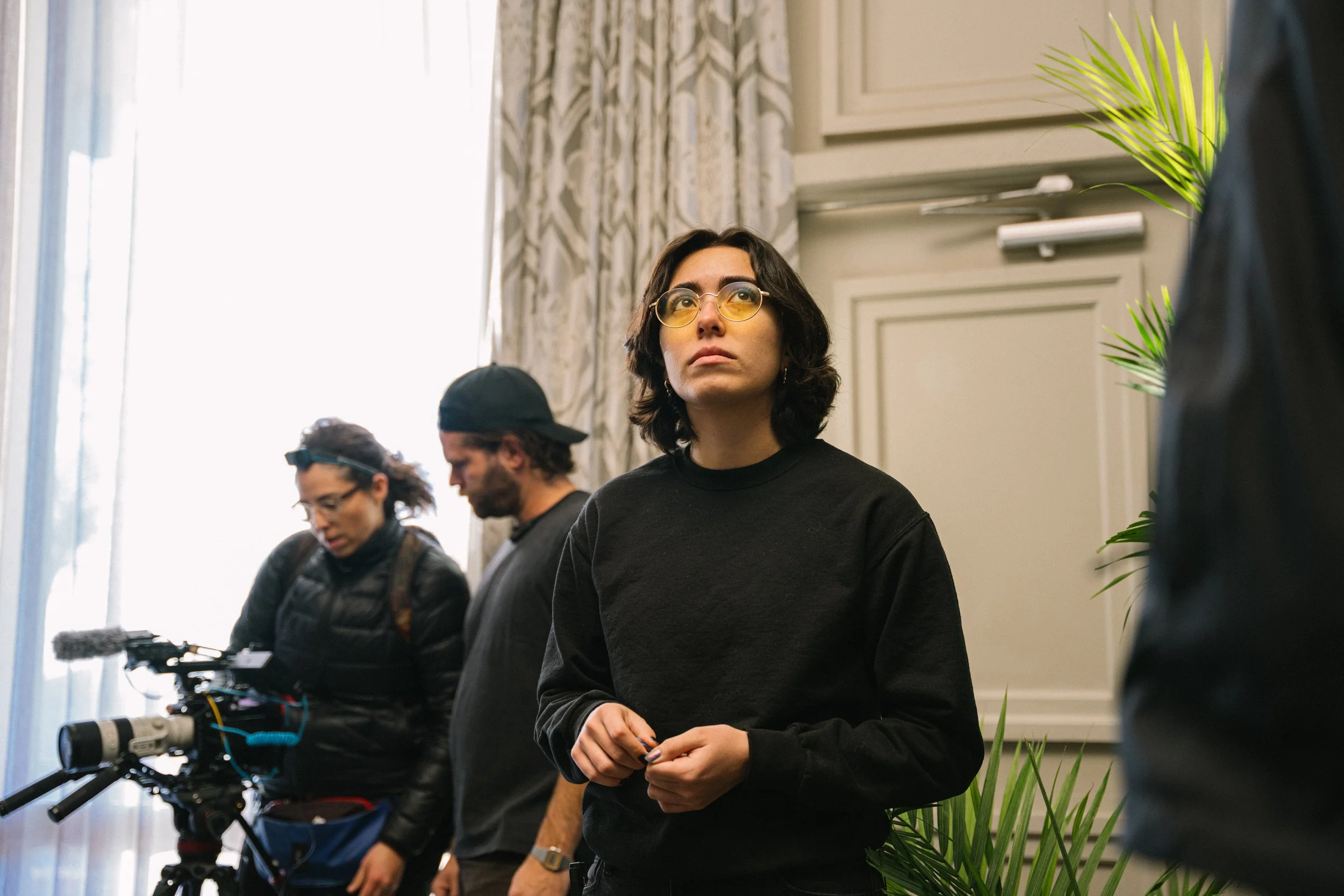
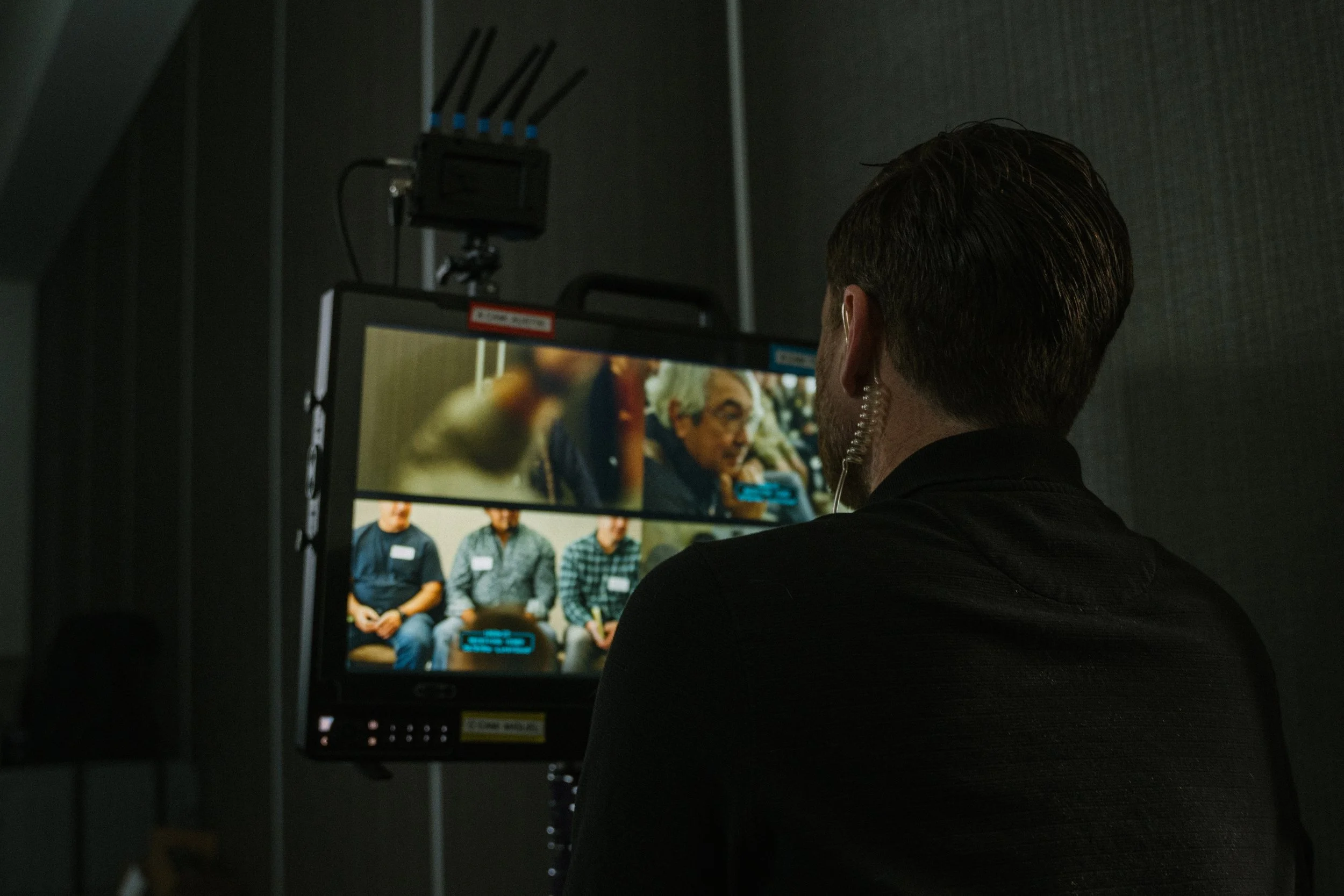
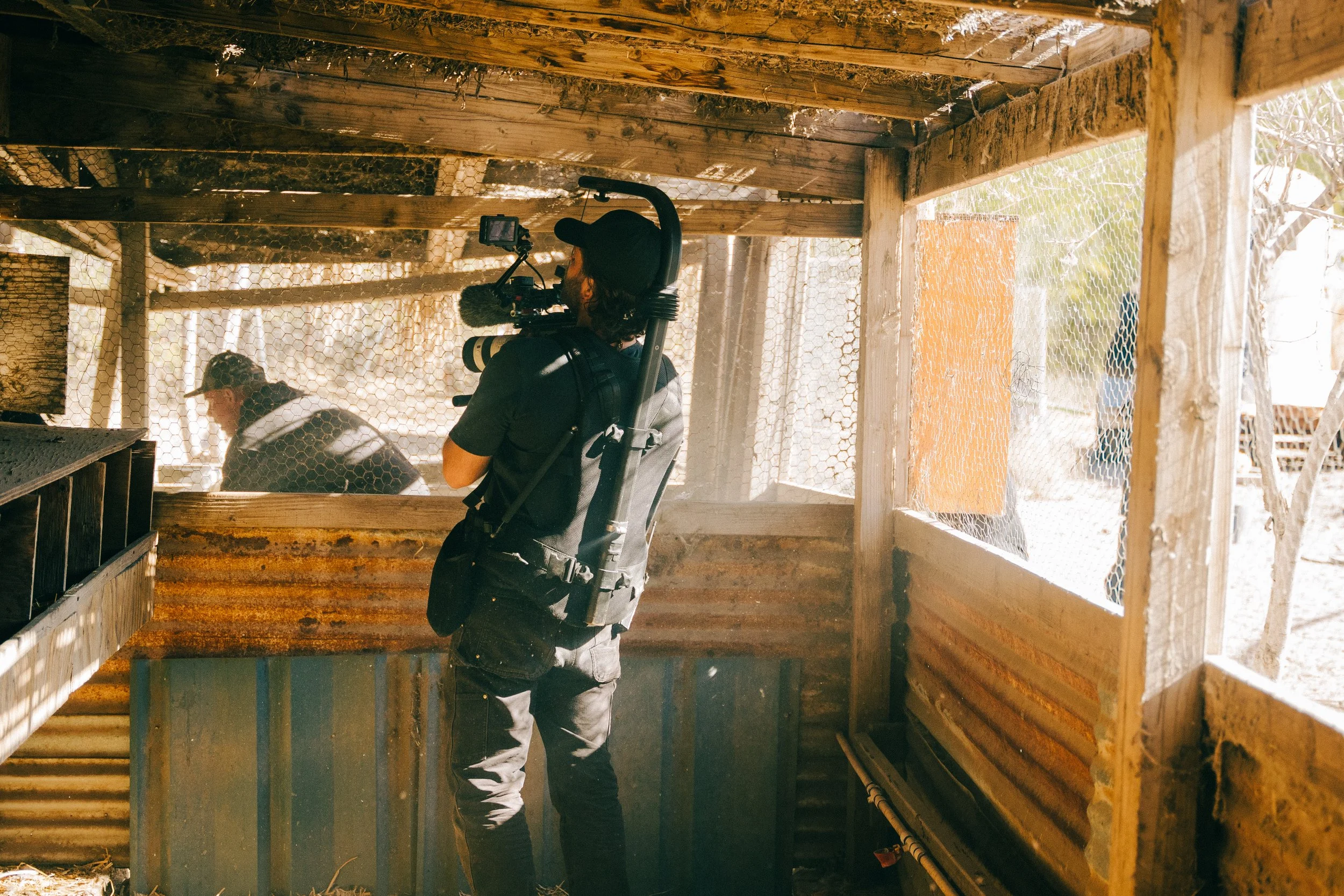
Production Behind the Scenes
An amazing, diverse, and local film community supported this incredible production.

A Note from the People People Media
Our goal with this project is to represent people’s voices accurately. Over our 25+ film projects we have been able to accurately portray subjects with a wide variety of perspectives, backgrounds, and ideologies. Good and ethical documentary filmmaking values reflecting back the convictions presented by each participant in the film as they expressed it to us. Showing all perspectives accurately is of the utmost concern; without all perspectives captured on this issue there’d be a piece of the full picture missing. It’d be an incomplete story. The autonomy for the subject begins with the decision whether or not to participate in the National Conversation. We value every possible perspective that brings fullness to the conversation.
“Gotcha media” has a widespread presence, so we empathize with anyone who feels hesitant from the start. But bending the truth through editing or misrepresenting someone and their story, violates our personal principles and documentary ethics. We aim to earn your trust, not only by our track record on impartiality, but by working directly with the participants of this conversation.
We are not setting out to tell any certain kind of story; we are setting out to make sure the nation hears your story.
With respect,
Jared Callahan
Director
A continuation of the Documentary Project.
A continued documentary project would position these fantastic participants alongside each other to both share their own home/work lives, and experience those of another. Each encounter is a test of trust. Participants are inhabiting difference, placed in the homes, landscapes, and working lives of those they have historically opposed. These exchanges reveal where understanding expands, where it breaks down, and how long relationships can hold under pressure.
The series is intentionally relational and sequential. Each interaction builds on the last, creating a chain of exposure that moves from dialogue into lived proximity. What remains uncertain is how far these relationships can stretch. Will trust hold once participants are immersed in one another’s daily realities? Will empathy translate into durable understanding? And what happens when experience contradicts a newly formed connection?
The feature film or documentary series would not assume that transformation will succeed. It remains attentive to fragility, to moments where understanding falters, and to the possibility that proximity can deepen division as much as it softens it. These uncertainties are not risks to the story but part of it.
At its core, the documentary asks what it takes for people with deeply opposing worldviews to remain in relationship when the stakes are not theoretical but personal, cultural, and immediate.